
Montreal Container Devanning: Step-by-Step Process at Our Lachine Warehouse
The actual workflow from seal break to dock-to-stock at our Lachine facility, ten minutes from Port of Montreal. Strip plan, quality check, putaway or cross-dock decision.
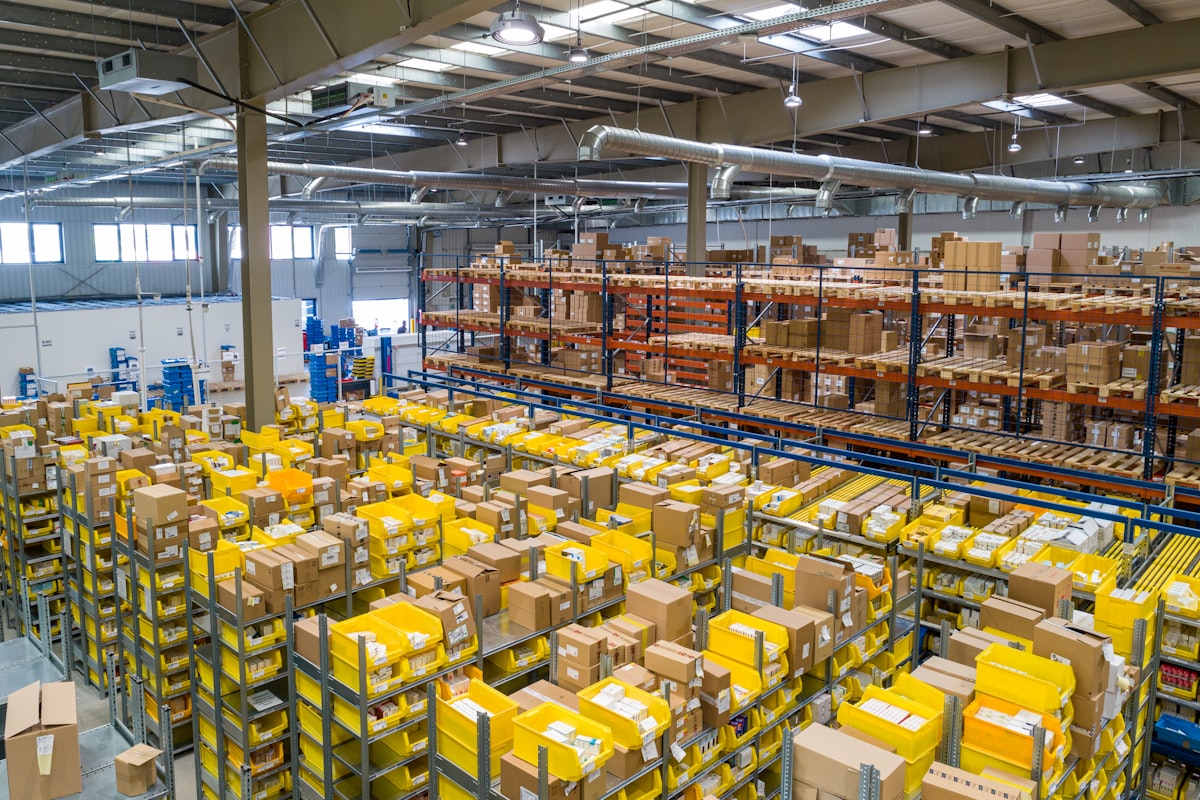
We devan containers at our Lachine warehouse seven days a week, ten minutes from Port of Montreal terminals. This is the actual SOP, written for ops leads who need to know what happens between gate-in at Cast or Termont and the cargo hitting our racks or cross-dock doors. We hold CBSA Sublocation Code 6050, Type CW (Sufferance), so cargo can sit in-bond on our dock if CBSA flags it for exam. The workflow below is how we run European LCL, single-consignee full-container loads, and multi-consignee consolidations that need segregation on the strip.
The timeline from container arrival to dock-to-stock is typically 24 to 48 hours for European LCL on our dock, assuming clean release and no exam hold. That includes seal break, quality check, putaway, and ASN to the consignee or carrier. If CBSA holds the container for exam, add two to four working days. If the cargo is multi-consignee and we are segregating by BOL, add a shift for the strip plan and repalletizing. We run seven dock doors at Lachine; on a busy day we sequence multiple containers by drayage arrival window and strip priority.
Release at the Terminal and Drayage Dispatch
The broker submits the CAD (Commercial Accounting Declaration) to CBSA before the container arrives at Port of Montreal. Post-CARM, the legacy B3 is retired; current filings are all CAD. CBSA releases the container at the terminal, the broker sends us the PARS or RMD release notice, and we dispatch drayage. The drayage driver picks up at Cast, Termont, or MIT depending on which terminal the container discharged to. The FIRMS code on the booking has to match where the container is going; if the FIRMS code points to a different warehouse, the terminal gate will not release the container to our driver.
We coordinate drayage through our own carrier pool or the importer's nominated drayage company. Container free time at Port of Montreal is terminal-specific; if the container sits past free time, demurrage starts charging by the day. We do not wait for the importer to call us. The moment we see the release, we book the drayage window and send the driver to the terminal. Our Lachine facility is about ten minutes from the Port, so the turn is short. The driver pulls the container, exits the terminal gate, and drives to our yard at H8T 2Y5 on Montreal Island.
Yard Arrival and Seal Break SOP
The container arrives at our gate. We cross-check the seal number on the container door against the seal number on the BOL and the release paperwork. We photograph the seal before breaking it. If the seal is broken or tampered with on arrival, we note it on the gate-in log, photograph the door, and notify the broker and the consignee before we touch the cargo. CBSA may want to inspect a broken-seal container before we strip it. If the cargo is in-bond and the seal is intact, we verify the release one more time before breaking the seal. We do not assume the broker did their job. If CBSA has not released the cargo, we do not break the seal. The container sits in our yard under in-bond cargo handling at our sufferance warehouse until the release comes through.
Once the seal is verified and broken, we back the container to the assigned dock door. We open the door, photograph the interior load, and start the strip plan. The strip plan is the sequence in which we unload the cargo. It depends on the load type: single consignee, multi-consignee LCL, overpacked full container, or mixed SKU consolidation.
Strip Plan and Devanning Sequence
The strip plan is written before we touch the first pallet. If the container is single-consignee and the cargo is on uniform pallets, the plan is simple: unload front to back, stack on the dock, count and cross-check the packing list. If the container is overpacked or the load shifted in transit, we pull the heavy cargo first to prevent a collapse on the forklift operator. If the container has fragile cargo at the rear, we pull the front cargo carefully and stage it on the dock before we reach the fragile pallets.
For multi-consignee LCL, we segregate by consignee BOL during the strip. Each consignee's cargo goes to a separate staging area on the dock. We label the staging area with the consignee name and the BOL number. If the container has mixed SKUs for a single consignee, we segregate by SKU during the strip and mark each pallet with the SKU code. This is part of our LCL consolidation and deconsolidation services. The strip plan adds a shift to the timeline, but it prevents mislabeling and mis-shipment downstream.
If the cargo is floor-loaded (no pallets), we hand-unload to CHEP or GMA spec pallets and build the pallet on the dock. Floor-loaded containers take longer to strip. A standard 40-foot high-cube floor-loaded container takes two dock workers four to six hours to strip and palletize, depending on carton size and weight. Palletized containers take one to two hours with a forklift operator.
Quality Check and Discrepancy Notes
We run a quality check during the strip. Visible damage, water damage, cargo shifting, carton crush, torn shrink wrap, open cartons, count discrepancy versus the packing list. If we see damage, we photograph it, note it on the gate-in log, and notify the consignee and the broker. If the count does not match the packing list, we note the short or overage to the BOL. CBSA may require a corrected CAD if the count discrepancy is significant. We do not guess the count. If the packing list says 120 cartons and we count 118, we write 118 on the receiving report and send the corrected count to the broker.
Water damage is the most common issue we see on European LCL. The container sits on deck during the Atlantic crossing; if the door gasket leaks, the rear pallets get soaked. We check the floor of the container for standing water before we start the strip. If the floor is wet, we pull the cargo carefully and check every carton for moisture. Wet cartons go to a separate staging area for the consignee to inspect or reject. We do not rack wet cargo. The consignee decides whether to file a claim with the carrier or accept the cargo as-is.
The table below shows the typical time spent at each stage of the devanning process and what can go wrong:
| Stage | Typical Time | Common Issues |
|---|---|---|
| Seal verification and break | 10-15 minutes | Broken seal on arrival, seal number mismatch, missing release paperwork |
| Strip plan and staging | 15-30 minutes | Overpacked container, shifted load, multi-consignee segregation complexity |
| Forklift unload (palletized) | 1-2 hours | Damaged pallets, cargo overhang, blocked aisle if too many pallets staged |
| Hand unload (floor-loaded) | 4-6 hours | Heavy cartons, no pallet jack access, carton labeling missing |
| Quality check and count | 30-60 minutes | Count short vs packing list, water damage, visible carton damage |
| Putaway or cross-dock decision | 15-30 minutes | No outbound BOL yet, unclear consignee pickup date, rack space full |
| ASN and outbound notify | 15-30 minutes | Consignee email bounces, carrier scheduling conflict, missing carrier PRO number |
Cross-Dock or Rack Decision
Once the cargo is stripped and counted, we decide whether to cross-dock or rack. If the cargo has an outbound BOL waiting same-day and the carrier is picking up before our cross-dock cutoff (14:00 for next-day outbound), we cross-dock at the door. The cargo never touches the rack. We stage it on the dock, shrink-wrap the pallets, label them for the next leg, and load the outbound truck. Cross-dock saves a putaway cycle and a pick cycle. It is faster and cheaper for the consignee.
If the cargo does not have an outbound BOL yet, or the consignee pickup date is more than one day out, we rack it. We putaway to beam height in our racking system at our Montreal warehouse, scan the pallet into WMS, and notify the consignee that the cargo is available for pickup or outbound order. The consignee can hold the cargo in our warehouse under warehousing and distribution terms, or they can schedule pickup within two to three working days to avoid storage fees.
The decision matrix is straightforward. If the outbound BOL exists and the carrier window is open, cross-dock. If the outbound BOL does not exist, rack. If the cargo needs repalletizing and recrating services or quality inspection before outbound, rack it first, then pick it for the repalletizing line or inspection area. If the cargo is going to multiple destinations (multi-consignee LCL), rack each consignee's cargo separately and pick by consignee when the outbound BOL comes in.
Related: Cross-Docking Quebec: What CBSA and Port Rules Actually R...
Related: LCL to FCL: When to Consolidate Cargo in Montreal
Related: LCL and FCL Consolidation: What Works at a Montreal Wareh...
Outbound Notify and What We Hand Off
Once the cargo is cross-docked or racked, we send the ASN (Advance Ship Notice) to the consignee or the carrier. The ASN includes the pallet count, the carton count, the weight, the SKU breakdown if multi-SKU, and the dock location if the cargo is racked. If the cargo is cross-docked, the ASN includes the outbound carrier name, the pickup time, and the PRO number or tracking number for the next leg. If the consignee is picking up directly, we send the gate-in instructions and the dock door number for pickup.
We apply carton labels for the next leg if the consignee provides a label template. If the cargo is going to an Amazon FBA warehouse or a big-box retailer DC, the label requirements are specific. Wrong label format means the cargo gets refused at the destination dock. We print the labels on our thermal printers, apply them to each carton, and photograph a sample carton to confirm the label is correct before the cargo leaves our dock.
If the cargo is going out on our own truck for local delivery and last-mile in Quebec, we schedule the route and load the truck. If the cargo is going FTL or LTL to Toronto on the 401 corridor, we tender the load to our carrier pool and send the BOL and the pickup time. If the cargo is going back to Port of Montreal for export, we coordinate with Port of Montreal drayage coordination and send the export declaration paperwork to the broker.
The entire workflow from container gate-in at our yard to outbound notify is logged in our WMS. The consignee can see the timeline: seal break timestamp, strip complete timestamp, quality check complete timestamp, putaway or cross-dock timestamp, ASN sent timestamp. If the consignee needs a copy of the gate-in photos or the receiving report, we send it on request. We do not charge for the receiving report or the photos. They are part of the devanning service.
Our seal-break SOP, strip plan, and quality check are how we run inbound from Port of Montreal every day. The timeline holds unless CBSA flags the cargo for exam or the container arrives with a broken seal. If your next container needs that kind of handling, get in touch.
Frequently Asked Questions
What happens if the container seal is broken when it arrives at your yard?
We photograph the broken seal and the container door, note it on the gate-in log, and notify the broker and the consignee before we open the container. If the cargo is in-bond, CBSA may want to inspect it before we strip. We do not touch the cargo until we get clearance from the broker or CBSA.
How long does it take to devan a 40-foot container at your Lachine warehouse?
Palletized containers take one to two hours with a forklift operator. Floor-loaded containers take four to six hours with two dock workers to hand-unload and palletize. Multi-consignee LCL adds a shift for segregation by BOL and repalletizing. The full dock-to-stock timeline including quality check and putaway is typically 24 to 48 hours for clean release cargo.
Do you charge separately for the quality check and receiving report?
No. The quality check, gate-in photos, and receiving report are part of the devanning service. We send the receiving report and photos to the consignee on request at no extra charge.
Can cargo sit in-bond at your warehouse if CBSA has not released it yet?
Yes. We hold CBSA Sublocation Code 6050, Type CW (Sufferance), so cargo can sit in-bond on our dock awaiting release. If CBSA flags the container for exam, it sits in our yard until the exam is complete and the release comes through. The 40-day sufferance dwell limit applies.
What is your cross-dock cutoff time for next-day outbound from Lachine?
Cross-dock cutoff is 14:00 for next-day outbound. If the cargo is stripped, quality-checked, and the outbound BOL is in our system before 14:00, we can cross-dock it at the door and load the outbound truck same day. Anything later sits overnight and goes out the next morning.
How do you handle multi-consignee LCL containers?
We segregate by consignee BOL during the strip. Each consignee's cargo goes to a separate staging area on the dock, labeled with the consignee name and BOL number. We count and photograph each consignee's cargo separately, send individual ASNs, and rack or cross-dock by consignee. This prevents mislabeling and mis-shipment downstream.
What do you do if the pallet count does not match the packing list?
We note the short or overage to the BOL, photograph the cargo on the dock, and send the corrected count to the broker and the consignee. We do not guess the count. If CBSA requires a corrected CAD due to the discrepancy, the broker handles the amendment. We provide the receiving report and photos as documentation.
Related News

LCL vs FCL: When to Consolidate at a Montreal Warehouse
Consolidation in a warehouse isn't just about saving pallet space. It's a math problem that starts at the dock when your LCL sits half-full, and ends with a drayage bill you weren't expecting. We'll walk through when consolidation actually pencils out for importers and forwarding agents working out of Montreal.

LCL Consolidation in Montreal: When the Math Actually Works
Consolidation looks like a free win until you run the numbers. Most importers nail container utilization but miss the holding-cost window. We run consolidation across 7 dock doors at FENGYE Warehouse in Montreal, and the difference between a 9-day hold and a 14-day hold is your entire margin.

Cross-Docking Warehouse Benefits Retailers by Cutting Dwell Time
Retailers holding inventory in storage lose money every day. Cross-docking pulls shipments through in 48 hours, eliminating that carrying cost and speeding delivery. FENGYE LOGISTICS runs cross-dock operations for retailers across Canada, and the model works especially well for seasonal goods and multi-origin consolidation.