
Sufferance Warehouse vs Bonded Warehouse: What Importers Should Know
Most European LCL shipments we handle don't need a bonded warehouse. Sufferance is enough. Here's when to pick which, explained from our receiving dock in Lachine.
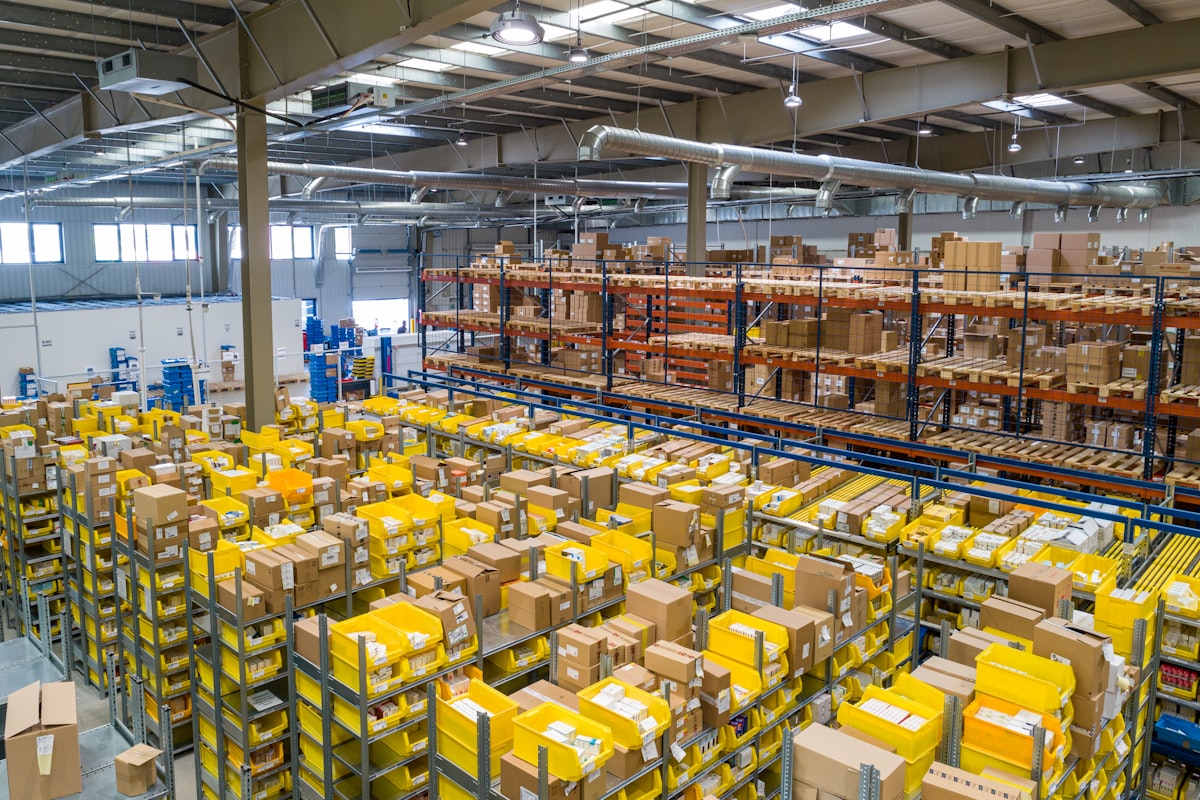
When a container shows up at our Lachine dock without CBSA release, it lands as in-bond cargo. We hold it in our sufferance warehouse until the broker sends us the PARS or RMD and we can legally put it away or cross-dock it. Most importers don't spend time thinking about sufferance versus bonded until they hit a dwell problem or their broker mentions duty deferral. This article walks through the practical difference from the receiving side, what the 40-day sufferance rule means for your inbound schedule, and when bonded storage is worth the extra licensing step.
We hold CBSA Sublocation Code 6050, Office 0395, Type CW (Sufferance) at our facility on Montreal Island (H8T 2Y5). We run 7 dock doors about 10 minutes from Port of Montreal terminals (Cast, Termont, MIT). The majority of European LCL shipments we devan come through as sufferance cargo, and that works fine because they clear and ship within two weeks. Bonded warehouse storage is a different animal, used when inventory will sit longer than 40 days or when the importer wants to defer customs duty and GST/HST until actual release.
What Happens at the Dock When Cargo Arrives Uncleared
Container arrives at our gate. Drayage driver hands us the ACI or eManifest paperwork. If the shipment does not have CBSA release yet, it's in-bond. We stage it in the sufferance area and wait for the broker to send us notification that CBSA has released the entry. Post-CARM, that means the broker has filed the CAD (Commercial Accounting Declaration) and CBSA has either released it on minimal documentation or flagged it for exam. The legacy B3 the broker used to file before CARM is retired; current filings are CADs.
If CBSA releases, we get the PARS confirmation from the broker, we devan, and we put the cargo away or prep it for LCL consolidation and deconsolidation. If CBSA flags for exam, we coordinate the exam appointment, the officer shows up, and once the exam clears we proceed. Typical dock-to-stock cycle for a clean European LCL release is 24 to 48 hours on our dock, but that's a first-party range, not a guarantee. Exam adds two to three working days.
Sufferance Warehouse: Short-Term In-Bond Holding with a 40-Day Clock
A sufferance warehouse is licensed by CBSA to hold in-bond cargo for a limited period while the importer arranges customs clearance. The key constraint is the 40-day dwell limit under CBSA sufferance regulations. After 40 days, CBSA expects the cargo to be cleared, re-exported, or moved to a bonded warehouse if longer storage is needed. We start nudging importers and brokers hard at day 25 to 30 because once you hit 40, CBSA wants action and we don't want to be the facility holding expired in-bond inventory.
Sufferance is the default for standard commercial imports. The importer plans to clear the goods within a few weeks, pay duty and GST/HST, and either pick up or have us ship onward via local delivery and last-mile in Quebec. We charge our published in/out fees and handling rates. Duty and tax are collected by CBSA or the broker as part of the CAD accounting, and once released the cargo is no longer in-bond.
Sufferance works well for:
- European LCL that will devan, clear, and ship within two weeks
- Ocean FCL that clears on arrival and cross-docks same day or next day
- Routine commercial imports with no duty deferral strategy
- Shipments that might need a quick CBSA exam but will release within 5 to 10 working days
Bonded Warehouse: Long-Term Duty Deferral and Staged Release
A bonded warehouse is a separate CBSA license (not the same as sufferance) that allows an importer to store goods without paying customs duty or GST/HST until the goods are released into the Canadian market. Duty and tax are deferred as long as the cargo remains in bond. This is useful when inventory will sit 60-plus days, when the importer plans to re-export part of the shipment, or when cash flow benefits from deferring the duty payment.
We do not operate a long-term bonded warehouse license at our Lachine facility. We are a Type CW sufferance warehouse. If an importer needs bonded storage beyond the 40-day sufferance window, we coordinate transfer to a partner bonded facility or the importer arranges their own bonded location. We see this occasionally with slow-moving inventory or with shipments that will be re-exported to the U.S. after partial release in Canada.
Bonded warehouse makes sense when:
- Inventory will sit more than 60 days before release
- The importer wants to defer duty and GST/HST for cash flow reasons
- Part of the shipment will be re-exported and never enter the Canadian market
- The importer is staging releases in small batches over several months
Comparison Table: Sufferance vs Bonded Warehouse
| Feature | Sufferance Warehouse | Bonded Warehouse |
|---|---|---|
| Dwell Limit | 40 days under CBSA sufferance regulations | No fixed limit; cargo can remain in bond indefinitely until released |
| Duty and GST/HST Payment | Paid at time of CBSA release via the CAD | Deferred until cargo is released from bond into Canadian market |
| CBSA License Type | Type CW (Sufferance) | Bonded Warehouse License |
| Typical Use Case | Standard inbound commercial imports, European LCL, routine clearance | Long-term inventory holding, staged release, re-export, duty deferral strategy |
| Handling Fees | In/out fees, dock handling, putaway per published rate card | In/out fees plus bonded storage fees (varies by facility) |
| Broker Interaction | Broker files CAD, sends PARS/RMD, we release from sufferance | Broker files release from bond when importer wants to pay duty and move goods |
Customs Hold Workflow at Our Dock
Container drayage from Port of Montreal arrives at our gate. We stage it in the sufferance area. The broker submits the CAD to CBSA. CBSA either releases on minimal documentation (RMD) or flags for exam. If flagged, we coordinate the exam appointment. The CBSA officer shows up, opens the container or the pallets, verifies the goods against the CAD, and either releases or issues a hold for additional documentation.
Once CBSA releases, the broker sends us the PARS confirmation. We devan the container, count the pieces, verify against the packing list, and put the cargo away in our racking or prep it for cross-dock. If the cargo needs repalletizing or recrating before onward shipment, we do that before it leaves the dock.
The workflow is the same whether the cargo will sit 2 days or 20 days. The difference is that at day 25 we start asking the importer and broker when they plan to release, because we don't want to be holding cargo at day 38 with no plan. CBSA does not charge a specific penalty per day after 40, but they expect the cargo to move, and if it doesn't there are compliance questions.
When Sufferance Dwell Approaches the 40-Day Mark
We track dwell daily. At day 25 to 30 we start emailing the importer and broker. By day 35 we're on the phone. The options at that point are: clear the goods and pay duty now, transfer to a bonded warehouse if the importer has one lined up, or re-export. We do not let cargo sit past 40 days without a clear plan, because that puts our sufferance license at risk.
Most of the time this is not an issue. European LCL clears within a week. Ocean FCL from Asia might sit 10 to 14 days if there's a documentation delay or an exam backlog, but it still clears well under 40. The cases where we hit 30-plus days are usually: importer is disputing duty classification with CBSA, importer is waiting for a CITT or SIMA ruling, or the shipment was sent to the wrong consignee and paperwork is being corrected. In those cases we work with the broker and the importer to either clear it or move it.
Related: Customs Clearance Quebec: What Importers Actually Need to...
Related: Bonded warehouse Montreal pricing: what actually goes on ...
Related: Bonded Warehouse Montreal: When In-Bond Storage Actually ...
Practical Decision: When to Pick Sufferance vs Bonded
If you're importing standard commercial goods, clearing them within two weeks, and shipping them onward to customers or distributors, sufferance is the right call. You don't need the extra licensing step of a bonded warehouse, and you don't want to pay bonded storage fees for short dwell.
If you're importing a large shipment that will be released in small batches over three months, or if you're holding inventory for re-export to the U.S. and only part of it will enter the Canadian market, bonded storage is worth the setup. You defer duty and GST/HST until each batch is released, and you avoid the 40-day sufferance clock.
We see importers try to use sufferance as a substitute for bonded when they don't want to set up a bonded account. That works for 30 days, then it becomes a problem. If the inventory plan is longer than 40 days, start with bonded, don't try to stretch sufferance.
Most of the European LCL we handle at our Montreal sufferance warehouse doesn't need bonded. Sufferance is enough. The importer clears the goods, we devan and put away, and the goods ship within a week or two via our Canada freight forwarding network. Bonded is the call when the inventory plan is 60-plus days or when duty deferral is part of the financial strategy.
We coordinate Port of Montreal drayage daily from Cast, Termont, and MIT terminals. Container free time at the port is tight, and drayage windows fill fast, so we book early. Once the container is on our dock, the 40-day sufferance clock starts. If you need bonded instead, tell us before the container leaves the port, not at day 35.
Frequently Asked Questions
What is the 40-day sufferance warehouse dwell limit?
CBSA sufferance regulations require that in-bond cargo held in a sufferance warehouse be cleared, re-exported, or transferred to a bonded warehouse within 40 days. After 40 days CBSA expects the cargo to move, and the sufferance facility will coordinate with the importer and broker to resolve the status. We start nudging at day 25 to 30 to avoid hitting the limit.
Do I pay customs duty and GST/HST while cargo is in sufferance?
No. Cargo in sufferance is in-bond, so duty and GST/HST are not paid until CBSA releases the entry. Once the broker files the CAD and CBSA clears it, duty and tax are collected and the cargo is no longer in-bond. Sufferance is a holding status, not a duty-deferral program like bonded warehouse.
When should I use a bonded warehouse instead of sufferance?
Use bonded warehouse when inventory will sit longer than 40 days, when you plan to release goods in small batches over several months, or when part of the shipment will be re-exported and never enter the Canadian market. Bonded allows you to defer duty and GST/HST until each release. Sufferance is for short-term holding with a 40-day clock.
Can FENGYE hold my cargo in bonded warehouse at Lachine?
No. We hold CBSA Type CW (Sufferance) license at our Lachine facility, not a bonded warehouse license. If you need bonded storage we can coordinate transfer to a partner bonded facility, or you can arrange your own bonded location. Most European LCL we handle clears within two weeks and does not need bonded.
What happens if my cargo sits in sufferance for more than 40 days?
CBSA expects the cargo to be cleared, transferred to bonded, or re-exported. We track dwell daily and start coordinating with you and your broker at day 25 to 30. If the cargo is still in sufferance at day 38 with no plan, we escalate because holding expired in-bond inventory puts our license at risk. The usual fix is to clear the goods and pay duty, or transfer to bonded if you have a bonded account set up.
How long does it take to release cargo from sufferance after CBSA clears the CAD?
Once the broker sends us PARS or RMD confirmation, we can devan and put away same day or next day depending on dock schedule. Typical dock-to-stock cycle for a clean release is 24 to 48 hours on our dock. If CBSA flags for exam, add two to three working days for the exam appointment and clearance.
Do I need to tell you in advance if I want bonded storage instead of sufferance?
Yes. Tell us before the container leaves Port of Montreal, not at day 35 of sufferance dwell. If you need bonded, we coordinate transfer to a bonded facility or you arrange your own bonded location before drayage. Once the container is on our sufferance dock, the 40-day clock starts, and switching to bonded mid-stream adds transfer moves and coordination.
Related News

Sufferance Warehouse Montreal Regulations 2026: What Changed
The sufferance warehouse model in Montreal is operational under post-CARM rules, but 2026 brings tighter inventory reconciliation deadlines and stricter goods-in-transit documentation. We're seeing importers scramble to align their PARS submission windows with new CBSA accounting periods. This is not a catastrophe, but it does change dock-to-stock timelines and how you plan drayage windows.

Sufferance Warehouse Montreal: What CBSA Requires in 2026
CBSA authorization for a sufferance warehouse is not a one-time checkbox. Your accounting records, security setup, and ACW reporting have to stay audit-ready every working day, and the bar has tightened since ACE rolled out. If your facility doesn't map cleanly to CBSA's electronic declarations, you're already behind.

Bonded Warehouse vs Free Trade Zone: When Each Model Works
Every importer eventually hits the same question: should cargo land in a bonded warehouse or a free trade zone. The answer isn't "one is better"—it's about what happens next. Your use case, dwell time, and duty exposure dictate which model fits.